CNS Drug Developers
Biotech and pharma programs developing treatments for neurological and psychiatric conditions use NHP and rodent models to characterize CNS exposure, behavioral pharmacology, and safety.
Research animal retirement and lifetime care, now available through Alpha Genesis. Professionally managed lifetime care for retired research primates, with expert social reintroduction into stable outdoor groups led by veterinary staff deeply experienced in laboratory-animal medicine.
Learn moreCapabilities
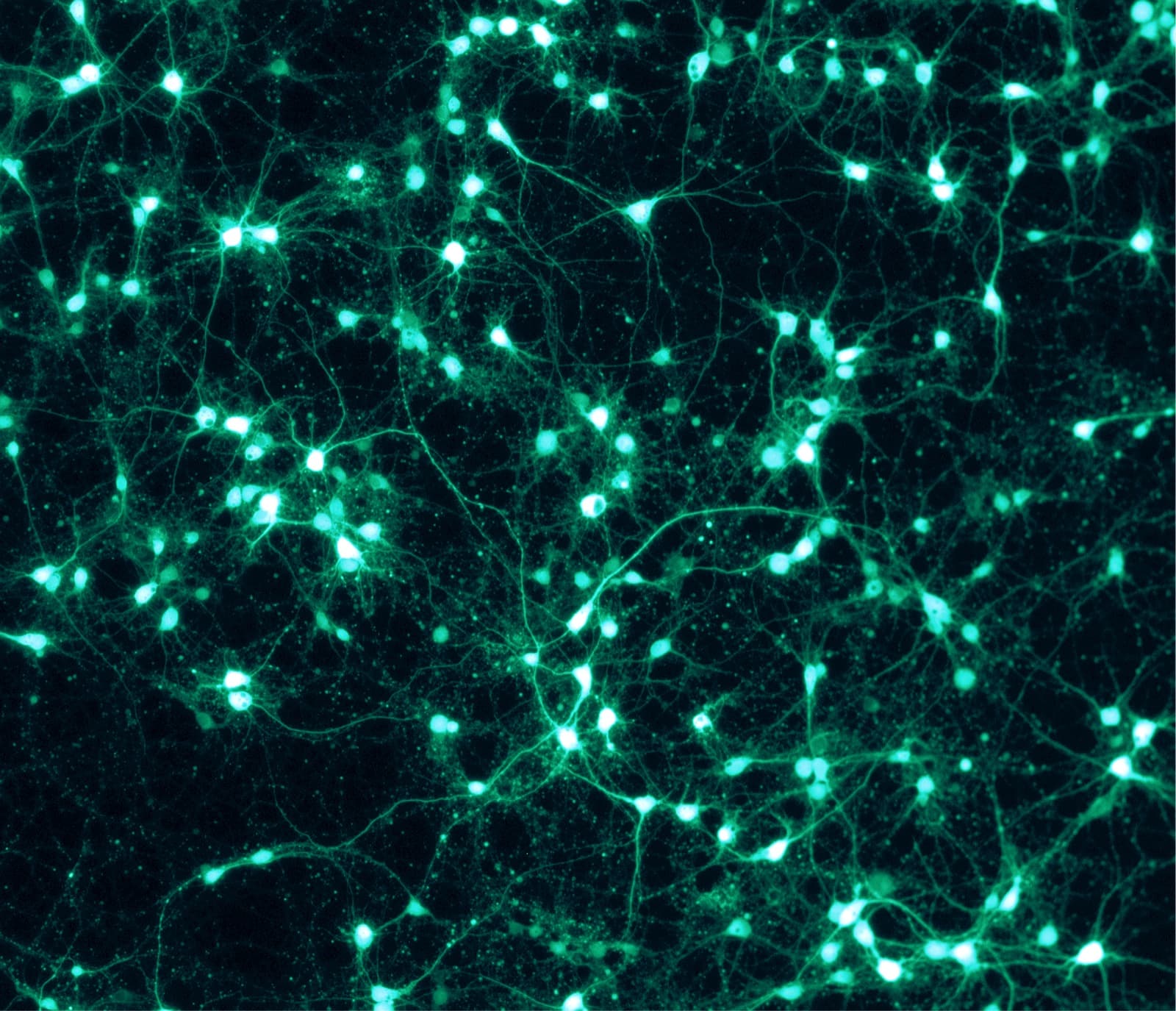
CNS-focused studies in NHP and rodent models, with behavioral monitoring, surgical and interventional approaches, and coordinated biospecimen collection including CSF, supporting neuroscience drug development with welfare-centered rigor.
The central nervous system presents unique challenges for preclinical drug development: complex behavioral readouts, limited accessibility of target tissue during the study, and species differences in pharmacology that can make rodent-to-human translation uncertain. NHP models bridge many of these gaps, providing CNS biology, behavioral repertoire, and CSF accessibility that are closer to human clinical measurements than any rodent system.
Alpha Genesis supports CNS-focused studies through behavioral observation, surgical and interventional model support, and coordinated CSF and CNS biospecimen collection. Our veterinary team has species-specific experience in the perioperative management and post-operative monitoring required for surgical neuroscience models, and our husbandry staff are trained to assess neurological and behavioral welfare indicators in macaques and rodents.
In neuroscience studies, the quality of behavioral data depends on the welfare and psychological wellbeing of the animal. Animals that are socially housed, appropriately enriched, and habituated to study procedures by experienced staff produce more reliable behavioral baselines and more interpretable intervention responses. Welfare is not a constraint on neuroscience research, it is the condition that makes neuroscience research interpretable.
Biotech and pharma programs developing treatments for neurological and psychiatric conditions use NHP and rodent models to characterize CNS exposure, behavioral pharmacology, and safety.
Investigators studying cognition, motor function, neurodegeneration, or neuroinflammation in NHP models benefit from our species expertise, surgical capabilities, and CSF collection infrastructure.
CNS-targeted gene therapy and antisense oligonucleotide (ASO) programs require intrathecal or intracerebroventricular delivery support and longitudinal CSF monitoring.
Programs building NHP CSF or CNS tissue biomarker reference datasets use our coordinated biospecimen collection infrastructure for longitudinal sample generation.
NHP models are preferred for translational CNS studies where brain anatomy, behavioral complexity, or CSF accessibility is important. Rodent models support mechanistic and dose-ranging work.
Rhesus macaques are the most extensively characterized NHP species for CNS research, with established behavioral repertoires, CSF biomarker reference ranges, and surgical model precedents. Cynomolgus macaques are used for select CNS pharmacology and tolerability programs, particularly those with a regulatory precedent for this species.
Rat models support CNS drug exposure, safety pharmacology endpoints, and mechanistic neuroscience studies where rodent systems are appropriate for the scientific question.
Mouse models are available for early CNS mechanistic studies and dose-range finding. Transgenic mouse neuroscience models are supported per protocol review.
African green monkeys are available for CNS programs where this species offers scientific or translational advantages over the macaque.
Capuchin monkeys are supported for specialized neuroscience programs where a New World primate model is scientifically appropriate.
Additional species, including spider monkeys, pigtail macaques, baboons, and marmosets, are available on request for custom neuroscience programs. Contact us to discuss species and protocol fit.
Neuroscience studies pair specialized CNS expertise, CSF collection, behavioral assessment, and surgical CNS models, with veterinary leadership across perioperative and post-surgical care. Behavioral data quality is tied directly to the psychological wellbeing of subjects, so enrichment, social housing, and habituation protocols are built to sustain stable baselines, complemented by neurological welfare scoring throughout the study. Board-certified veterinarians and trained technical teams provide continuous clinical oversight across rodent and NHP models. SOP-driven operations and audit-ready documentation maintain inspection readiness. AAALAC accreditation and USDA licensure, with OLAW assurance (PHS Policy) and IACUC oversight, support the compliance stack. GLP and non-GLP study support available, with study documentation suitable for international development programs.
Behavioral neuroscience data quality is directly tied to the psychological wellbeing of animal subjects. Our enrichment programs, social housing practices, and habituation protocols are designed to support stable baselines.
Experience with NHP CSF collection, behavioral monitoring, and surgical CNS models provides a platform that many CROs cannot offer in-house.
Perioperative care, anesthesia management, and post-surgical monitoring by veterinary staff experienced with NHP surgery reduces complication risk and supports data continuity.
CNS programs that need to confirm rodent findings in a primate system can transition within Alpha Genesis, preserving scientific context and coordinator relationships.
Neuroscience programs often involve complex protocols with multiple surgical and sampling events. Our study management teams maintain rigorous scheduling and proactive communication throughout.
CSF and CNS tissue biospecimen programs can be coordinated alongside in-life studies, and archival NHP CSF samples may be available through our bioproducts infrastructure for assay development.
Intrathecal catheter implantation and repeated intrathecal dosing in NHP are supported. Each surgical procedure requires IACUC review and veterinary approval of the surgical plan and post-operative care protocol.
Whether you need NHP CSF biomarker monitoring, intrathecal dosing support, or behavioral endpoint collection, our team will help you design a welfare-centered neuroscience study that delivers translatable data.