IV Infusion & Catheterized Dosing Programs
Sponsors requiring repeat-dose IV infusion delivery in NHP or rodents rely on our chronic catheter implantation and maintenance expertise for reliable, consistent dosing access.
Research animal retirement and lifetime care, now available through Alpha Genesis. Professionally managed lifetime care for retired research primates, with expert social reintroduction into stable outdoor groups led by veterinary staff deeply experienced in laboratory-animal medicine.
Learn moreCapabilities
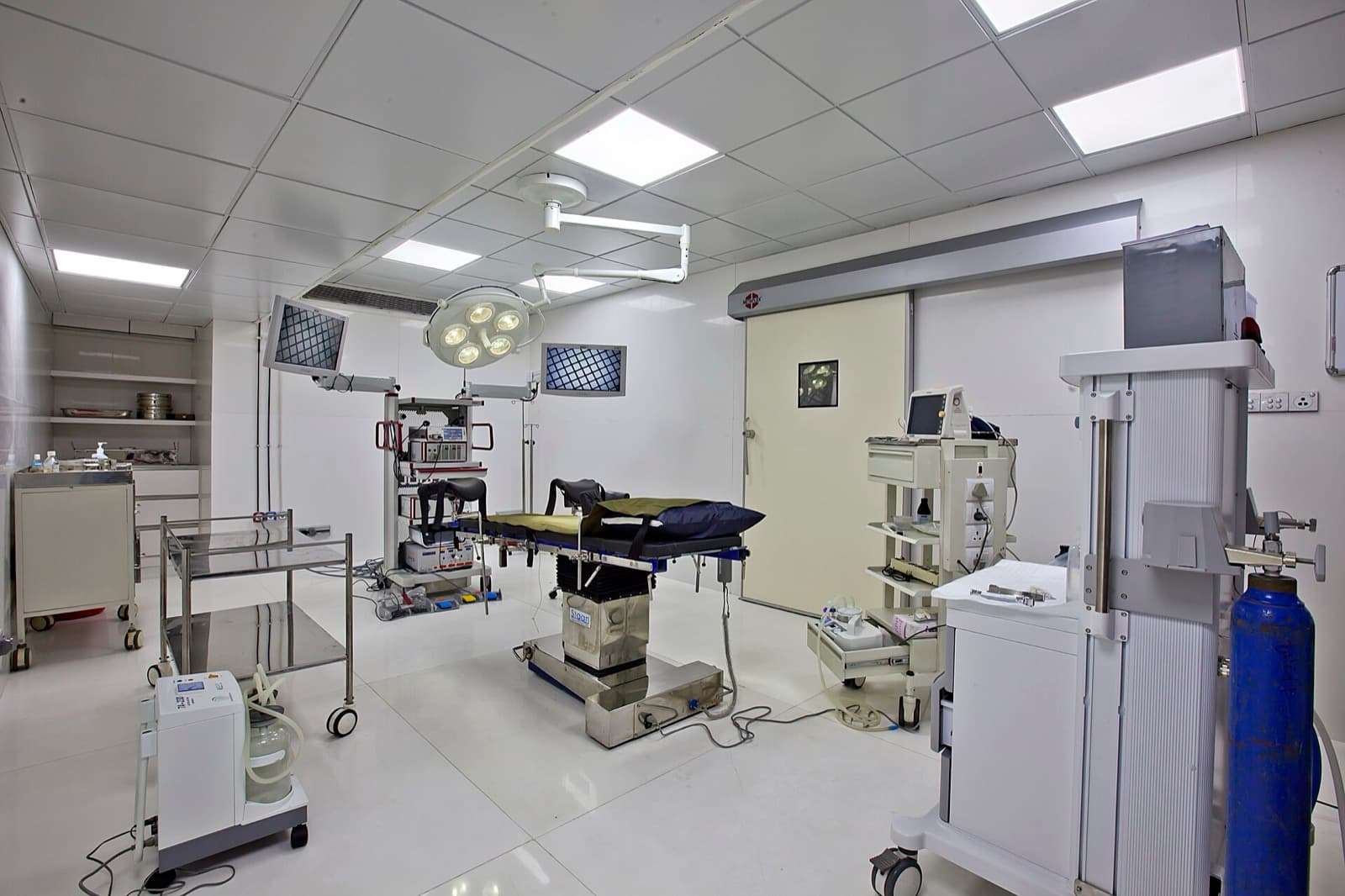
Custom surgical and interventional model development, catheterization, cannulation, and perioperative veterinary care in NHP and rodent models, delivering study designs that require precision, animal welfare expertise, and disciplined post-operative management.
Many of the most scientifically important preclinical study designs require surgical preparation or device implantation that cannot be replicated by non-invasive methods. Catheterization for IV infusion, cannulation for repeated CNS access, and other interventional procedures require teams that combine surgical technical skill with deep knowledge of species-specific anesthesia, perioperative physiology, and post-operative care.
Alpha Genesis has developed and refined surgical models in NHPs and rodents across a range of applications, from chronic indwelling catheter programs for repeat-dose IV administration to custom procedures supporting specialized research needs. Veterinary oversight is integrated into every step: surgical planning, anesthesia induction and monitoring, recovery, and post-operative welfare assessment.
Animal welfare in surgical programs is not a secondary consideration. The quality of data from a surgically prepared animal depends entirely on the quality of its recovery and maintenance. Complications, chronic pain, and post-surgical welfare deficits introduce biological variability that can obscure study signals or invalidate data. Our commitment to welfare excellence is the scientific foundation of every surgical program we support.
Sponsors requiring repeat-dose IV infusion delivery in NHP or rodents rely on our chronic catheter implantation and maintenance expertise for reliable, consistent dosing access.
Intrathecal, ICV, and CNS cannulation for gene therapy, ASO, or neuropharmacology programs require surgical teams with specific neuroanatomical and perioperative expertise.
Medical device sponsors evaluating implantable devices, sensors, or delivery systems in preclinical models need surgical models developed and validated for their specific device geometry and target tissue.
Research programs with novel or specialized procedural requirements work with our veterinary and technical teams to develop, validate, and refine custom surgical protocols.
Species selection for surgical programs depends on the procedure, the study objective, and the regulatory context. All surgical procedures require IACUC review and veterinary approval.
Macaque species are used for vascular catheterization, CNS cannulation, and surgical model programs requiring primate anatomy, physiology, or translational biology.
Rat surgical models are well-established for jugular catheterization, intrathecal cannulation, and custom interventional designs where rat anatomy is appropriate.
Mouse surgical approaches support select catheterization and interventional designs, particularly in programs where transgenic or immunodeficient strains are required.
African green monkeys are available for surgical and interventional model programs where this species offers scientific or translational advantages over the macaque.
Capuchin monkeys are supported for specialized surgical model programs where a New World primate model is scientifically appropriate.
Additional species, including spider monkeys, pigtail macaques, baboons, and marmosets, are available on request for custom surgical programs. Contact us to discuss species and procedure fit.
Surgical programs are led by veterinary surgical oversight, with pre-surgical health qualification, intraoperative anesthesia monitoring, and structured post-operative analgesia and pain management. Aseptic surgical technique is governed by validated SOPs, and welfare endpoint criteria explicitly account for surgical complications. Experienced surgical and husbandry teams, preventive medicine, and enrichment support recovery and wellbeing across rodent and NHP subjects. Electronic documentation and audit-ready records support sponsor audit and regulatory inspection in U.S. and international jurisdictions. AAALAC accreditation and USDA licensure, with OLAW assurance (PHS Policy) and IACUC oversight, underpin compliance.
Post-surgical recovery quality determines data quality in catheterized and surgically prepared models. Our welfare-first approach to perioperative care is the scientific prerequisite for reliable surgical study data.
Chronic catheter and CNS cannulation experience in macaques provides sponsors with access to technically demanding surgical capabilities in the most translationally relevant species.
All surgical procedures are designed and overseen by veterinary staff, with anesthesia protocols, post-operative care, and complication management directed by clinical expertise.
Surgical model programs that begin in rodents and advance to NHP can be managed within Alpha Genesis, preserving the technical knowledge and procedural history from initial development.
Novel or specialized surgical requirements are developed collaboratively with sponsor teams, with feasibility assessment, IACUC justification support, and iterative protocol refinement.
Experience with government-funded and commercial surgical model programs provides a track record of technical competence and operational reliability for demanding research applications.
Catheter patency duration depends on catheter type, placement site, maintenance protocol, and individual animal factors. Our maintenance SOPs and twice-weekly patency checks are designed to maximize functional catheter life, but duration cannot be guaranteed. We work with sponsors to define replacement criteria and contingency procedures in advance.
Our veterinary and technical teams are ready to discuss your surgical program requirements and design a welfare-centered, operationally rigorous approach to your study.