IND-Enabling Sponsors
Pharma and biotech teams preparing regulatory toxicology packages for U.S. and international submissions rely on our GLP-aligned documentation, study director oversight, and sponsor audit readiness.
Research animal retirement and lifetime care, now available through Alpha Genesis. Professionally managed lifetime care for retired research primates, with expert social reintroduction into stable outdoor groups led by veterinary staff deeply experienced in laboratory-animal medicine.
Learn moreCapabilities
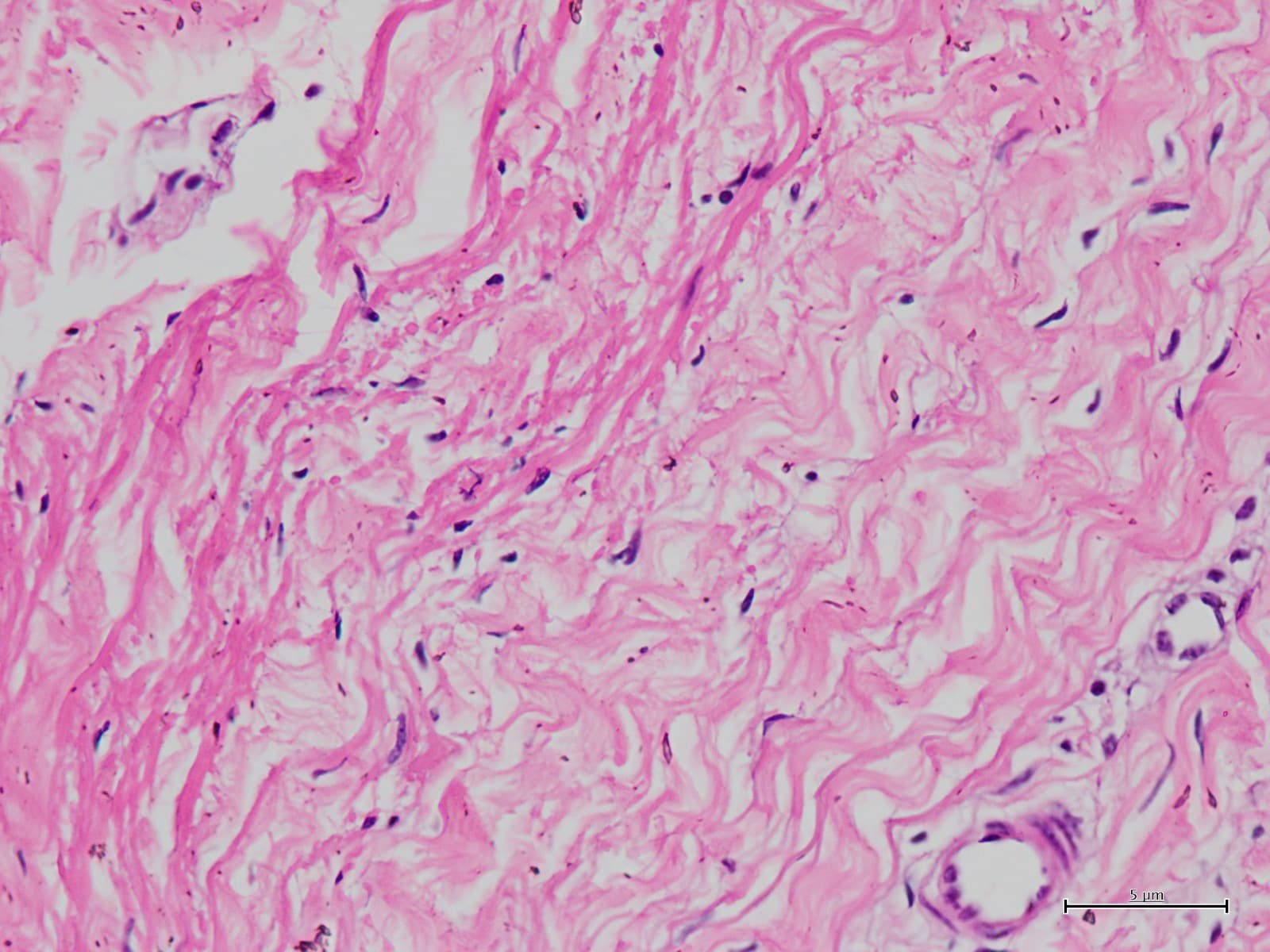
Single-dose and repeat-dose toxicity, tolerability, and safety pharmacology studies in rodent and NHP models, executed with GLP-aligned documentation, veterinary clinical oversight, and the audit and inspection readiness that global regulatory submissions demand.
Safety characterization is among the most consequential work in early drug development. A well-designed toxicology study not only defines the limits of tolerability but builds the scientific foundation that regulators, ethics committees, and clinical investigators depend on when evaluating first-in-human risk. Alpha Genesis brings disciplined in-life execution, experienced veterinary oversight, and structured data capture to every toxicology program we support.
Our toxicology capabilities span dose-ranging and maximum-tolerated-dose (MTD) assessments through structured repeat-dose studies with clinical pathology, toxicokinetic (TK) sampling, and coordinated histopathology review. GLP-aligned documentation is available for IND-enabling study designs, and our safety studies are routinely structured to support the submissions sponsors make to major health authorities, among them the FDA, EMA, MHRA, and PMDA, where appropriate, including programs that follow ICH guidance toward a coordinated global filing. Non-GLP programs are equally well-supported for early dose-ranging, feasibility, and mechanistic safety work. Rodent toxicology is supported in both rats (Rattus norvegicus) and mice (Mus musculus): Alpha Genesis supports GLP and non-GLP studies in both rat and mouse models, for qualified programs and protocols; GLP suitability and scope are confirmed per protocol.
The integrity of toxicology data depends on the integrity of the animal model. Stress, intercurrent illness, and welfare deficits introduce noise that can obscure real signals or generate artifacts. That is why preventive medicine, social housing, enrichment, and continuous veterinary monitoring are central to how we work. Caring for animals well is the right thing to do, and it is also what keeps the data clean and reliable.
Pharma and biotech teams preparing regulatory toxicology packages for U.S. and international submissions rely on our GLP-aligned documentation, study director oversight, and sponsor audit readiness.
Non-GLP dose-ranging and tolerability assessments help discovery teams select candidates and define safe starting doses before committing to formal regulatory studies.
Federal agency-funded toxicology programs in therapeutic or biodefense contexts are supported with appropriate documentation and study management rigor.
Medical device and biologic sponsors requiring systemic tolerability or immunotoxicity characterization in relevant NHP or rodent models.
Species selection is guided by scientific rationale, regulatory guidance, and study-specific welfare considerations.
Macaques are the preferred non-rodent species for many IND-enabling toxicology programs. Our macaque toxicology experience includes repeat-dose studies with TK sampling, clinical pathology, and coordinated histopathology.
The rat is the primary rodent species for general toxicology, with well-established historical control reference ranges for clinical pathology and organ weights at our facility.
Mouse toxicology studies support dose-range finding, MTD determination, and biologic tolerability assessments. Select transgenic or immunodeficient models may be available.
African green monkeys are available for toxicology and safety programs where this species offers scientific or translational advantages over the macaque.
Capuchin monkeys are supported for specialized safety and tolerability programs where a New World primate model is scientifically appropriate.
Additional species, including spider monkeys, pigtail macaques, baboons, and marmosets, are available on request for custom toxicology programs. Contact us to discuss species and protocol fit.
Defensible safety data start with scientific rigor: structured clinical pathology, toxicokinetic sampling, safety-pharmacology endpoints, and prospectively defined humane endpoints. Board-certified veterinarians review clinical pathology, triage adverse findings, and provide the clinical narrative that contextualizes safety signals, with 24/7/365 clinical care throughout dosing. Preventive medicine, social housing, and enrichment minimize background variability so real toxicities are not masked, welfare as a scientific prerequisite across rat, mouse, and NHP studies. Disciplined study direction, QA oversight, and SOP-driven operations mean we consistently generate high-quality regulatory data, with audit-ready documentation that supports sponsor audit and health-authority inspection across U.S. and international jurisdictions. AAALAC accreditation and USDA licensure, with OLAW assurance (PHS Policy) and IACUC oversight, underpin compliance. Histopathology coordination performed through qualified pathology partners.
Healthy, stable animals produce toxicology data with lower background variability and clearer signal. Welfare is the prerequisite for interpretable, defensible safety data.
Our history with repeat-dose NHP toxicology, including TK sampling and clinical pathology, means sponsors are working with teams who understand the complexity of the species.
Experienced veterinary staff review clinical pathology results, triage adverse findings, and provide clinical narrative that contextualizes safety observations in the study report.
Moving from a rodent dose-range finder to an NHP repeat-dose study within the same organization preserves scientific context and simplifies coordination.
Timely communication of adverse findings, protocol amendments, and data deliverables keeps IND timelines on track and avoids surprises at the reporting stage.
Experience supporting both government-sponsored and commercial toxicology programs means our teams are prepared for the range of documentation standards and audit exposures that serious programs require.
Yes. GLP toxicology studies are supported in-house, with GLP-aligned documentation. The framework a given study follows, full GLP under 21 CFR Part 58 (plus 21 CFR Part 11 for electronic records and signatures) or a non-GLP design, depends on the protocol, its scope, and where the data will be used: a U.S. submission, an international filing, or a combined global program. We confirm the right framework with you before the study begins.
Whether you need a rapid dose-range finder or a structured IND-enabling repeat-dose study, our team will help you design a program that is scientifically sound, welfare-centered, and audit-ready.