Drug Discovery Teams
Early-stage teams use our models for target validation, proof-of-concept, and candidate selection studies in both rodent and NHP species.
Research animal retirement and lifetime care, now available through Alpha Genesis. Professionally managed lifetime care for retired research primates, with expert social reintroduction into stable outdoor groups led by veterinary staff deeply experienced in laboratory-animal medicine.
Learn moreCapabilities
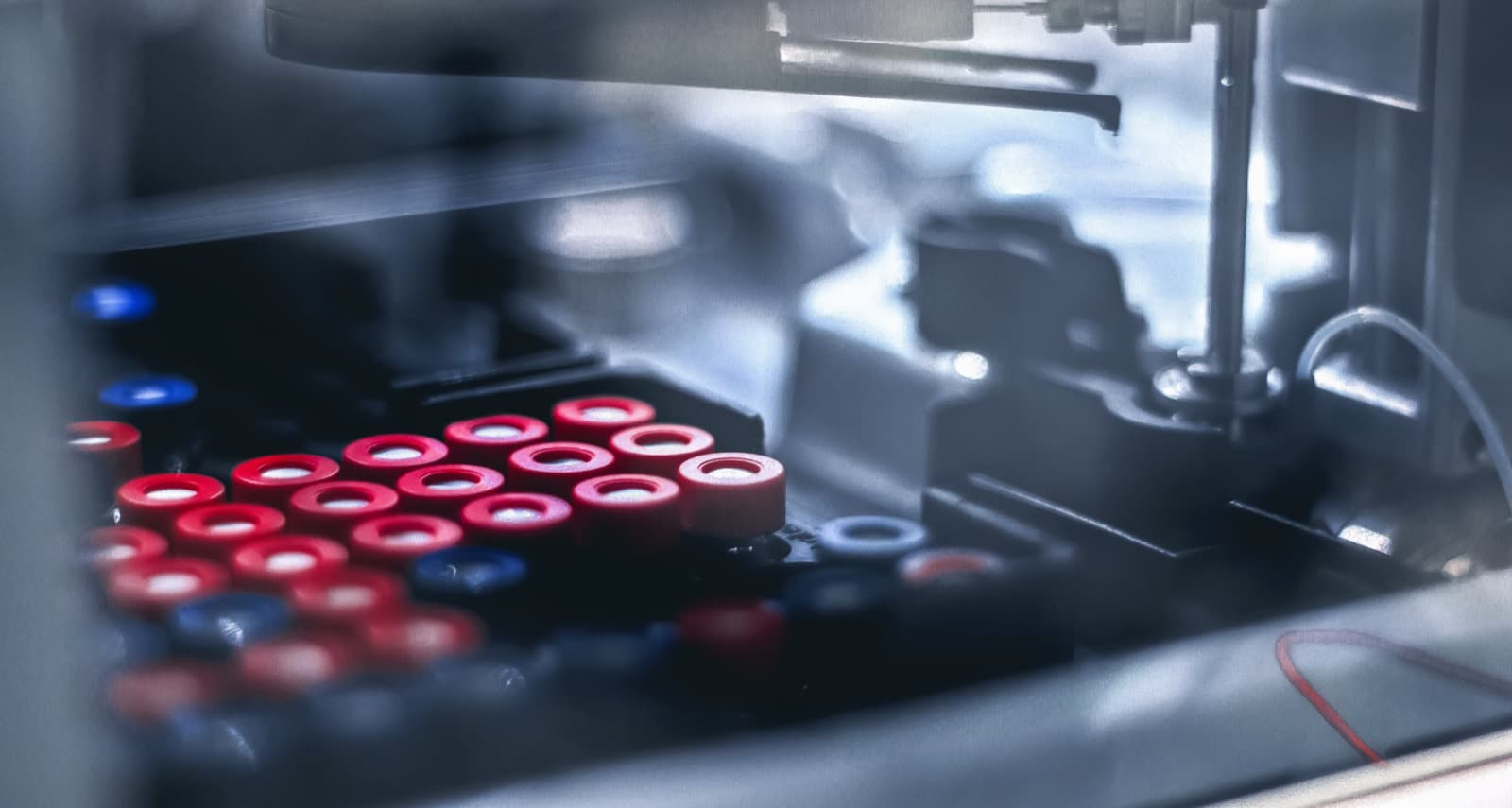
Rigorous in-life pharmacology and pharmacokinetic/pharmacodynamic studies in rodent and NHP models, designed to characterize efficacy, define dose-response relationships, and generate translatable exposure data for development programs advancing on North American and international timelines.
Translatable pharmacology data are the scientific currency of early drug development. Whether you are establishing proof-of-concept in a rodent model or confirming mechanism-of-action in an NHP, the quality of your in-life data directly determines how confidently you can advance toward the clinic. Alpha Genesis designs and executes pharmacology and PK/PD studies with the rigor, species expertise, and welfare standards that produce data you can rely on.
Our teams have conducted dose-response, exposure-response, and target-engagement studies across a range of therapeutic areas. Serial PK sampling, bioanalysis coordination, and PD biomarker collection are integrated into study execution, not treated as add-ons, so that your data package captures the full pharmacological story from a single, coherent study. For sponsors on a regulatory track, pharmacology and PK/PD work can be designed to support IND-enabling and global development programs, with GLP-aligned documentation suited to international submissions.
Animal welfare is the foundation of reliable pharmacology data. Animals that are appropriately conditioned, socially housed, and monitored by experienced veterinary staff produce stable baseline measurements and consistent responses, reducing biological variability and increasing the interpretability of your results.
Early-stage teams use our models for target validation, proof-of-concept, and candidate selection studies in both rodent and NHP species.
Academic and industry investigators bridging rodent biology to human outcomes rely on our NHP pharmacology experience for bridging studies and allometric scaling data.
Sponsors preparing regulatory submissions need pharmacology and PK/PD data packages with GLP-aligned documentation and well-characterized exposure-response profiles.
Smaller organizations without internal vivarium capacity use our full-service study execution, from protocol design through biospecimen shipment and data package delivery.
Model selection depends on the therapeutic target, study objectives, and regulatory context.
Rhesus and cynomolgus macaques are used for translational pharmacology and PK/PD studies where primate physiology, receptor homology, or dosing route is critical for clinical prediction.
Outbred, inbred, and select transgenic mouse models support mechanistic pharmacology, dose-ranging, and early proof-of-concept studies with high throughput.
Rat models are well-characterized for systemic pharmacology, PK profiling, and dosing route comparisons, with robust historical reference data to support interpretation.
African green monkeys are available for pharmacology and PK/PD programs where this species offers scientific or translational advantages over the macaque.
Capuchin monkeys are supported for specialized pharmacology programs where a New World primate model is scientifically appropriate.
Additional species, including spider monkeys, pigtail macaques, baboons, marmosets, and additional rodent species, are available on request for custom pharmacology programs. Contact us to discuss model and protocol fit.
Rigorous in-life pharmacology execution, serial PK sampling within veterinary-reviewed blood-volume limits, integrated PD biomarker collection, and structured clinical observations, is led by experienced study directors and board-certified laboratory-animal veterinarians. Well-conditioned, socially housed animals supported by enrichment and preventive-medicine programs yield stable baselines and lower biological variability, the welfare basis for interpretable exposure-response data across rodent and NHP models. SOP-driven procedures and electronic data capture keep records inspection-ready. AAALAC accreditation and USDA licensure, with OLAW assurance (PHS Policy) and IACUC oversight, support the compliance framework. GLP and non-GLP study support available, with documentation suitable for international development programs.
Healthy, well-conditioned animals produce stable pharmacological baselines and reduce biological variability, the direct link between welfare excellence and data quality.
Decades of hands-on NHP study conduct, including repeat-dose PK/PD programs in macaques, give sponsors access to species-specific proficiency that is rare in the industry.
Board-certified veterinary staff provide clinical oversight throughout every study, ensuring that pharmacological challenges do not compromise animal health or data interpretability.
Running rodent and NHP pharmacology programs at the same site preserves protocol consistency and allows seamless escalation from screening to translational confirmation.
Dedicated study management and proactive data communication keep development timelines on track without requiring sponsors to chase updates.
Experience with both government-funded and commercial programs means our teams handle the operational rigor and regulatory documentation exposure that demanding sponsors require.
Yes. We coordinate sample labeling, aliquoting, cryopreservation, and cold-chain shipment to sponsor-designated or third-party bioanalytical labs. Chain-of-custody documentation is maintained throughout.
Share your compound, target, and development stage, and our study management team will propose a pharmacology or PK/PD design that fits your scientific and regulatory goals.