Biologics Developers
Antibody, protein, and other biologic programs that require nonhuman primate DART use our cynomolgus colony and enhanced pre- and postnatal development (ePPND) capability, where NHP is often the only relevant species.
Research animal retirement and lifetime care, now available through Alpha Genesis. Professionally managed lifetime care for retired research primates, with expert social reintroduction into stable outdoor groups led by veterinary staff deeply experienced in laboratory-animal medicine.
Learn moreCapabilities
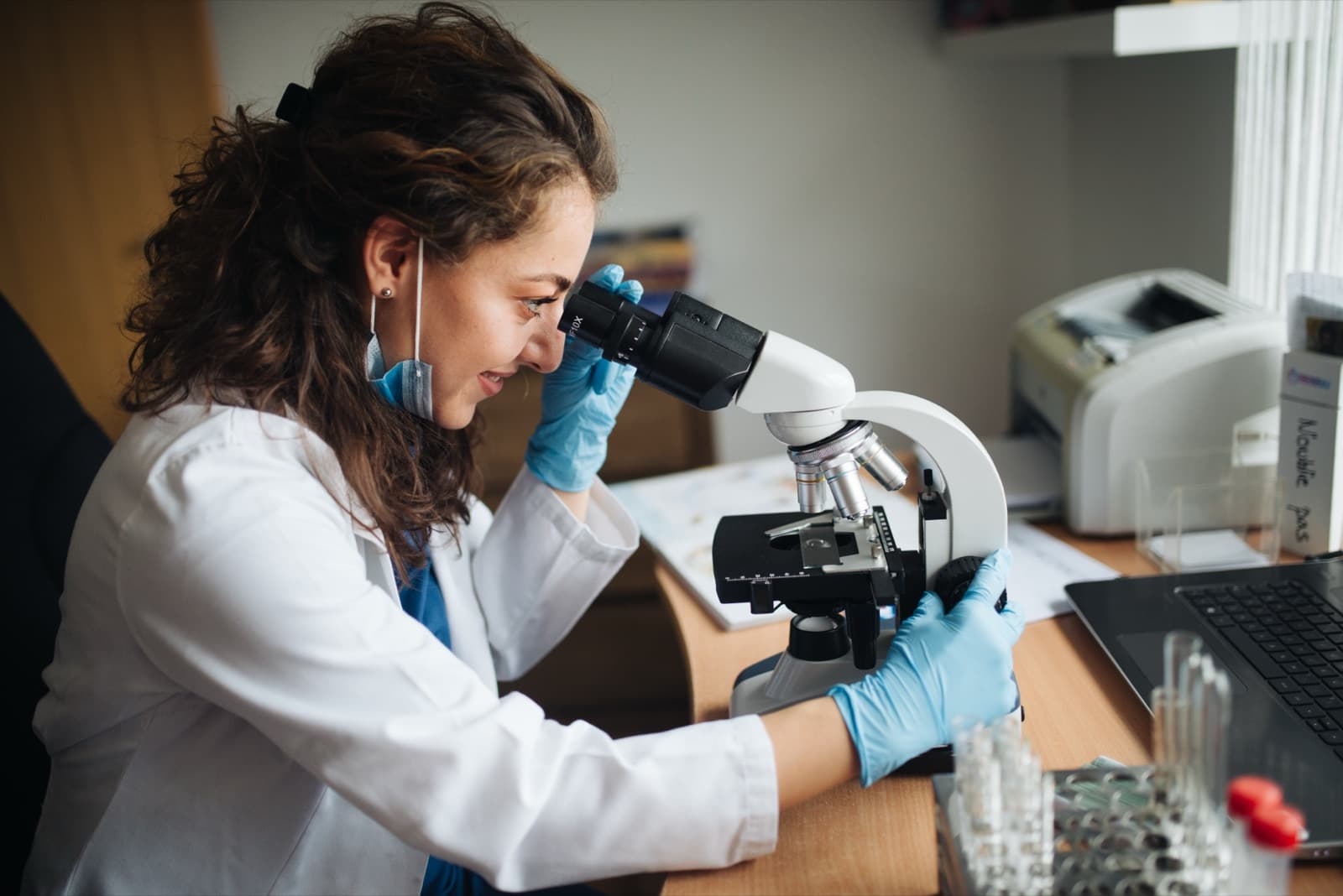
Fertility, embryo-fetal, and pre- and postnatal development studies in rat and NHP models. Our integrated breeding program gives DART programs what most CROs cannot: reliable access to time-mated cohorts, pregnancy-staged animals, and the reproductive and neonatal expertise these studies depend on.
DART studies ask whether a drug affects fertility, pregnancy, and the developing offspring. They are among the hardest preclinical studies to schedule, because they depend on the one thing that cannot be sourced on short notice: pregnant animals, time-mated cohorts, and the reproductive and neonatal expertise to manage them. For nonhuman primate programs in particular, animal availability is usually the rate-limiting step.
Alpha Genesis is built for exactly this. As the largest primate breeding operation in the United States, we maintain the purpose-bred cynomolgus and rhesus colonies, timed-mating capability, and reproductive veterinary depth that NHP DART requires, alongside established rat capabilities for small-molecule reproductive toxicology. Time-mated cohorts and pregnancy-staged animals are part of our core operation, not a scramble to source, which is what lets DART programs start on schedule.
Reproductive studies place unusually high demands on animal welfare, and here welfare and data quality are inseparable. Dams that are well cared for, appropriately housed, and monitored by an experienced reproductive veterinary team carry pregnancies to term more reliably and produce cleaner developmental readouts. The health of mother and infant is both an ethical priority and the foundation of interpretable DART data.
Antibody, protein, and other biologic programs that require nonhuman primate DART use our cynomolgus colony and enhanced pre- and postnatal development (ePPND) capability, where NHP is often the only relevant species.
Programs following the standard small-molecule DART path use rat fertility, embryo-fetal, and pre- and postnatal designs, with second-species embryo-fetal work coordinated as needed.
Developers evaluating developmental safety or maternal immunization use our reproductive models and biospecimen infrastructure for maternal and offspring immune and safety endpoints.
Sponsors whose DART timelines hinge on sourcing time-mated or pregnant NHP benefit most from our breeding program, which supplies pregnancy-staged cohorts from our own colonies.
Rat carries the standard small-molecule DART path; the cynomolgus macaque, supported by our breeding program, is the pivotal species for biologics DART where a nonhuman primate is required.
The standard rodent species for fertility, embryo-fetal, and pre- and postnatal development studies in small-molecule programs, with historical control data to support interpretation.
The standard NHP species for biologics DART. Our purpose-bred colony, timed-mating capability, ultrasound pregnancy staging, and ePPND experience make cynomolgus reproductive studies a core capability rather than a sourcing challenge.
Available for reproductive programs where scientifically appropriate, backed by decades of rhesus colony reproductive and neonatal management.
Second-species embryo-fetal development in rabbit and other models is available on request and coordinated as part of an integrated small-molecule DART package. Contact us to discuss species fit.
Additional reproductive models are available on request for custom DART programs. Contact us to discuss species, design, and protocol fit.
DART programs combine reproductive breeding operations, timed-cohort generation, and maternal and neonatal care under board-certified veterinary leadership, with study designs aligned to ICH S5(R3) and, for biologics, ICH S6(R1) expectations. Breeding and reproductive management operate to the same welfare standards as the rest of our colony, and fetal and skeletal examination and specialized histopathology are coordinated with qualified partners while in-life conduct, reproductive monitoring, and clinical pathology are performed in-house. SOP-driven operations and audit-ready documentation maintain inspection readiness. AAALAC accreditation and USDA licensure, with OLAW assurance (PHS Policy) and IACUC oversight, support the compliance stack. GLP and non-GLP study support is available, with documentation suitable for IND-enabling and international development programs.
The rate-limiting step in DART is usually sourcing pregnant or time-mated animals. As the largest primate breeder in the country, we generate time-mated cohorts and pregnancy-staged animals from our own colonies, so supply does not gate your timeline.
Enhanced pre- and postnatal development studies in cynomolgus, with the gestational monitoring, delivery management, and infant-rearing expertise these long, complex studies require.
Run rat small-molecule DART and cynomolgus biologics DART with one partner, preserving scientific context and study-team relationships across the program.
Board-certified veterinarians experienced in reproductive management, pregnancy monitoring, and neonatal care support both data quality and the welfare of dams and offspring.
Established infant-care and hand-rearing capability, essential for pre- and postnatal designs, is part of our colony operation rather than a subcontracted add-on.
Well-managed dams carry pregnancies to term more reliably and produce cleaner developmental readouts, making welfare the foundation of interpretable DART endpoints.
Yes. This is our core advantage. Time-mated cynomolgus and rhesus cohorts and pregnancy-staged animals are generated from our own breeding colonies, so DART programs are not held up sourcing pregnant animals from third parties. Contact us to discuss cohort size and timing.
Whether you need rat fertility and embryo-fetal work or a cynomolgus ePPND study, our breeding program and reproductive veterinary team will help you design a DART study with the animal availability and welfare oversight it depends on.